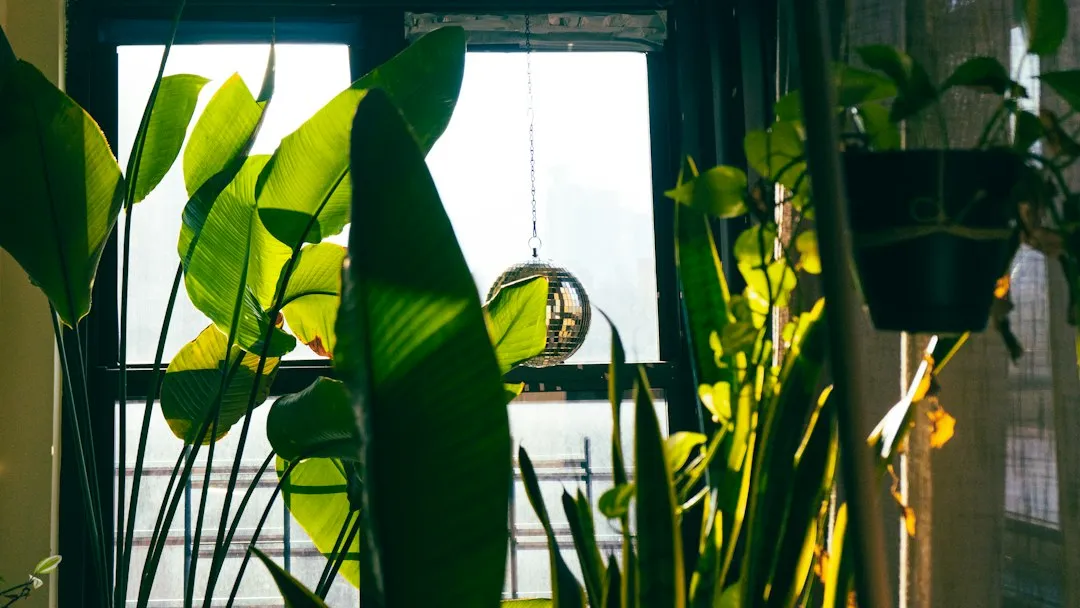
A journey into the world of indoor gardening, even for the most novice enthusiast, can transform a sterile apartment into a vibrant oasis. The seemingly daunting task of nurturing plant life within the confines of one’s home is, in reality, an accessible and deeply rewarding endeavor. This guide, „Ghidul micului grădinar: Cum să crești plante sănătoase în apartament,” aims to demystify the process, offering practical advice and a systematic approach to cultivate thriving greenery. From selecting the right plants to understanding their fundamental needs, this article will equip aspiring urban gardeners with the knowledge to foster a flourishing indoor ecosystem.
Alegerea Plantelor Potrivite: Fundamentul Succesului
The initial step in any gardening venture, especially in an apartment setting, is the judicious selection of plant species. Not all plants are created equal when it comes to their suitability for indoor environments, and understanding the diverse needs of different species is paramount. This section delves into the criteria for choosing plants that will not only survive but flourish in the controlled conditions of an apartment.
Cunoașterea Condițiilor din Apartamentul Tău
Before even considering specific plant types, a thorough assessment of the apartment’s microclimate is essential. This involves observing the light conditions throughout the day and across different rooms. Some areas might receive bright, direct sunlight for several hours, while others may be perpetually shaded. Similarly, humidity levels can vary significantly, influenced by factors like heating, ventilation, and the presence of bathrooms or kitchens. Understanding these variables will narrow down the possibilities and prevent the heartbreak of choosing plants that are destined to struggle.
Analiza Nivelului de Lumină
Light is the primary source of energy for plants, and its intensity, duration, and quality are critical determinants of their health. Different plants have evolved to thrive in various light environments, from the dappled shade of a forest floor to the intense glare of a desert sun.
Lumină Indirectă Strălucitoare
This is the most common and versatile light condition in many apartments, often found near east-facing windows or a few feet away from south or west-facing windows. Plants that prefer bright, indirect light include many popular houseplants such as the Fiddle Leaf Fig (Ficus lyrata), Monstera deliciosa, Pothos (Epipremnum aureum), and ZZ plant (Zamioculcas zamiifolia). These plants benefit from ample light to photosynthesize efficiently but can be scorched by direct, intense sun, which can cause browning and wilting.
Lumină Directă
South and west-facing windows often provide direct sunlight, especially during certain times of the day. While some succulents and cacti can tolerate and even thrive in such conditions, many common houseplants will suffer. If an apartment has windows that offer direct sun, it’s best to opt for plants that can handle it, such as certain varieties of succulents like Echeveria or Haworthia, or heat-loving plants like the Bird of Paradise (Strelitzia reginae) with proper acclimation. For other plants, positioning them a few feet away from the window or using sheer curtains to diffuse the light can be a viable solution.
Lumină Scăzută
Shady corners or rooms with north-facing windows are characterized by low light levels. Many plants have adapted to these conditions, making them ideal for less illuminated spaces. Examples include the Snake Plant (Sansevieria trifasciata), Cast Iron Plant (Aspidistra elatior), and Peace Lily (Spathiphyllum). These plants are remarkably resilient and can tolerate neglect, making them perfect for beginners or those with limited natural light.
Evaluarea Umidității și Temperaturii
Apartments often present a drier atmosphere than outdoor environments, particularly during winter months when heating systems are in full operation. Conversely, bathrooms and kitchens can be more humid. Understanding these fluctuations is crucial.
Niveluri de Umiditate
Most houseplants originate from tropical or subtropical regions where humidity is naturally high. Therefore, many will benefit from supplemental humidity. Plants like ferns, orchids, and Calatheas are particularly sensitive to dry air and may develop brown, crispy leaf tips. Increasing humidity can be achieved through various methods, such as misting, using a pebble tray filled with water, or employing a humidifier. Kitchens and bathrooms, with their inherent moisture, can be excellent locations for humidity-loving plants.
Variații de Temperatură
While most houseplants are content with average room temperatures, significant fluctuations can be detrimental. Sudden drafts from open windows or doors, or prolonged exposure to heat sources like radiators, can stress plants. It’s generally advisable to maintain a consistent temperature between 18-24°C (65-75°F) for most common houseplants, avoiding extremes.
Alegerea Plantelor în Funcție de Experiența Grădinarului
The journey of an indoor gardener often begins with a desire to bring life and color into the home. Starting with plants that are forgiving and adaptable is key to building confidence and a sense of accomplishment.
Plante Ușor de Îngrijit pentru Începători
For those new to the world of houseplants, selecting species known for their resilience and low maintenance requirements is a wise strategy. These plants are less likely to succumb to common beginner mistakes like overwatering or underwatering, providing a positive initial experience.
Plantă de Șarpe (Sansevieria trifasciata)
The Snake Plant is renowned for its hardiness. It tolerates a wide range of light conditions, from low light to bright indirect light, and is drought-tolerant, preferring to dry out completely between waterings. Its upright, architectural leaves add a modern aesthetic to any space.
Pothos (Epipremnum aureum)
Pothos, also known as Devil’s Ivy, is another incredibly forgiving plant. It thrives in bright, indirect light but can also adapt to lower light levels. It’s a vining plant that can be grown in hanging baskets or allowed to trail along shelves, and it’s very communicative, its leaves drooping slightly when thirsty.
ZZ Plant (Zamioculcas zamiifolia)
The ZZ plant is exceptionally tolerant of neglect and low light conditions. Its glossy, dark green leaves are attractive, and it stores water in its rhizomes, making it very drought-resistant. Overwatering is its biggest enemy, so it’s best to err on the side of underwatering.
Plante cu Cerințe Moderate
Once a beginner has found their footing with easy-care plants, they might be ready to explore species that require a bit more attention but offer unique visual appeal or growth habits.
Ficus Lyrata (Fiddle Leaf Fig)
The Fiddle Leaf Fig has become a trendy houseplant, admired for its large, violin-shaped leaves. It prefers bright, indirect light and consistent watering, allowing the soil to dry out slightly between waterings. It can be sensitive to changes in its environment, so finding a good spot and leaving it there is often recommended.
Monstera Deliciosa
Known for its iconic split leaves, the Monstera deliciosa is a jungle-like plant that appreciates bright, indirect light and consistent moisture. It enjoys high humidity and can benefit from occasional misting. As it grows, it may require support for its aerial roots.
Crassula Ovata (Arborele de Jad)
The Jade Plant is a popular succulent that is relatively easy to care for. It needs bright light, ideally direct sun for a few hours a day, and should be watered sparingly, allowing the soil to dry out completely between waterings. It’s a symbol of good luck and prosperity in many cultures.
Dacă ești pasionat de grădinăritul în apartament și vrei să îți îmbunătățești abilitățile, îți recomandăm să citești și articolul nostru despre serviciile de peisagistică, care îți poate oferi inspirație pentru a transforma spațiul tău verde. Acest ghid detaliază cum poți să îți amenajezi grădina sau balconul, astfel încât să creezi un mediu plăcut și sănătos pentru plantele tale. Poți găsi mai multe informații accesând acest link: Servicii de peisagistică pentru grădina ta.
Îngrijirea Fundamentală: Apă, Lumină și Sol
Once the perfect plant companions have been chosen, the focus shifts to providing them with the essential elements for survival and growth: water, light, and the right soil medium. Understanding the nuances of each of these factors is crucial for fostering healthy plants.
Regimul de Udare: Echilibrul Delicat
Water is life, but for houseplants, too much or too little can be equally detrimental. The art of watering lies in understanding the plant’s individual needs and the environmental conditions.
Cum Să Știi Când Să Udăm
The most common mistake novice gardeners make is overwatering. Instead of sticking to a rigid schedule, it’s more effective to check the soil moisture.
Testul Degetului
This is the simplest and most effective method. Insert your finger about two inches into the soil. If it feels dry, it’s time to water. If it feels moist, hold off. This test helps gauge the moisture level at the root zone, where it matters most.
Semnele Plantelor
Plants themselves will often signal their thirst. Drooping or wilting leaves are a classic sign of underwatering. Conversely, yellowing leaves, especially those near the base of the plant, and a mushy stem can indicate overwatering.
Ce Tip de Apă Să Folosim
Not all water is created equal for plants. Tap water can contain chemicals that can accumulate in the soil and harm sensitive plants.
Apa de la Robinet (cu precauții)
If using tap water, it’s best to let it sit out for 24 hours. This allows chlorine to evaporate and minerals to settle. Using filtered or distilled water is an even better alternative for sensitive plants.
Apa Ploaie sau Distilată
Rainwater is naturally soft and free of many chemicals found in tap water, making it an excellent choice for most houseplants. Distilled water is also a good option, as it contains no dissolved minerals.
Importanța Luminii Adecvate
As discussed in the previous section, light is indispensable for photosynthesis. Providing the correct amount and intensity of light ensures that plants can produce the energy they need to grow.
Poziționarea Plantelor în Apartament
Strategic placement of plants is key to meeting their light requirements without causing harm.
Ferestrele Orientate Spre Est și Vest
East-facing windows offer gentle morning light, ideal for many houseplants. West-facing windows provide brighter afternoon sun, which can be beneficial for plants that require more light, but caution is needed to avoid scorching during the hottest part of the day.
Ferestrele Orientate Spre Sud
South-facing windows generally provide the most intense light. While excellent for sun-loving plants like succulents, other plants may need to be placed further away from the window or have their light diffused by sheer curtains.
Zone cu Lumină Scăzută
For areas with limited natural light, choosing plants that tolerate shade is essential. Alternatively, consider using grow lights to supplement natural light if desired.
Solul: Pământul Fertilizator și Bine Drenat
The soil is the foundation upon which a plant’s roots grow and from which it draws nutrients and moisture. A well-chosen potting mix is vital for a plant’s health.
Alegerea Amestecului de Pământ Potrivit
Most commercially available potting mixes are suitable for a wide range of houseplants, but understanding what makes a good mix is beneficial.
Drenaj Excelent
The most critical aspect of a potting mix is its ability to drain well. Waterlogged soil suffocates roots, leading to root rot. Look for mixes that contain perlite, vermiculite, or sand to improve aeration and drainage.
Nutrienți și Aerare
A good potting mix should also provide essential nutrients and allow for adequate air circulation to the roots. Peat moss or coco coir provide organic matter, while perlite and pumice improve aeration.
Considerații Suplimentare pentru Amestecuri Specializate
Some plants have very specific soil needs that may require specialized mixes.
Cactuși și Suculente
These plants require extremely well-draining soil to prevent rot. A mix specifically formulated for cacti and succulents, or a blend of potting soil with coarse sand and perlite, is ideal.
Orhidee
Orchids are epiphytes and do not grow in soil in their natural habitat. They require a bark-based potting mix that allows for excellent air circulation and drainage.
Nutriția Plantelor: Fertilizarea și Îmbogățirea Solului
Even with the best watering and lighting, plants eventually deplete the nutrients in their potting soil. Regular fertilization is necessary to replenish these vital elements and support continued growth and flowering.
De Ce și Când Să Fertilizezi
Fertilizers provide essential macro and micronutrients that plants need for healthy development. The frequency and type of fertilizer depend on the plant species and its growth stage.
Sezonul de Creștere Activă
Plants typically grow most actively during the spring and summer months. This is when they have the greatest demand for nutrients. Fertilizing during this period is most beneficial.
Primăvara și Vara
During these seasons, most houseplants will benefit from regular fertilization, typically every 2-4 weeks, depending on the fertilizer’s strength and the plant’s needs.
Perioadele de Odihnă
In autumn and winter, many plants enter a period of dormancy or reduced growth. Fertilizing during this time can be detrimental, as the plant is not actively absorbing nutrients, and excess fertilizer can accumulate in the soil and damage the roots.
Toamna și Iarna
It is generally recommended to cease or significantly reduce fertilization during the cooler months. If fertilization is continued, it should be done very sparingly, perhaps once or twice during the entire season, and with a diluted fertilizer.
Tipuri de Fertilizatori și Cum Să-i Aplici
The market offers a wide array of fertilizers, from granular to liquid, each with its own advantages. Understanding these options allows for the selection of the most appropriate choice for your plants.
Fertilizatori Lichizi
Liquid fertilizers are quickly absorbed by plant roots and are often favored by indoor gardeners for their ease of use and rapid results.
Diluarea Corectă
It is crucial to always dilute liquid fertilizers according to the package instructions. Over-fertilizing can cause fertilizer burn, damaging the plant’s roots and leaves. It’s often better to under-fertilize than over-fertilize.
Aplicarea în Timpul Udării
Liquid fertilizers are typically applied during regular watering. Mix the fertilizer with water and then water the plant as you normally would. This ensures that the fertilizer is distributed evenly throughout the soil.
Fertilizatori Granulari cu Eliberare Lentă
These fertilizers release nutrients gradually over time, providing a steady supply to the plant. They are convenient as they require less frequent application.
Integrarea în Sol
Granular fertilizers are usually mixed into the top layer of the potting soil or sprinkled on the surface, where they are activated by watering. Follow the manufacturer’s recommendations for the amount to use and the frequency of application.
Recomandări pentru Plante cu Creștere Lentă
For plants that have slow growth rates, slow-release fertilizers can be particularly beneficial, providing a consistent nutrient supply without the risk of over-fertilizing.
Combaterea Deficiențelor Nutriționale
Recognizing the signs of nutrient deficiencies is an important aspect of plant care. These deficiencies can manifest in various ways, affecting leaf color, growth, and overall plant health.
Semnele Deficiențelor
Common signs include yellowing leaves (chlorosis), stunted growth, a lack of flowering, or the appearance of spots or discolored patches on the foliage.
Cloroză (Îngălbenirea Frunzelor)
If the veins of the leaves remain green while the rest of the leaf turns yellow, it often indicates an iron or magnesium deficiency. If the entire leaf turns yellow, it might be due to nitrogen deficiency.
Creștere Încetinită sau Malformată
A general lack of vigor, smaller than usual leaves, or deformed new growth can point to a deficiency in one or more essential nutrients.
Soluții și Prevenție
Addressing nutrient deficiencies often involves adjusting your fertilization routine. Using a balanced, all-purpose fertilizer designed for houseplants is a good starting point. For specific deficiencies, targeted micronutrient supplements may be necessary. Regularly repotting plants every few years into fresh potting mix can also help prevent nutrient depletion.
Combaterea Dăunătorilor și Bolilor: Menținerea Sănătății
Even in the controlled environment of an apartment, plants are susceptible to pests and diseases. Early detection and appropriate intervention are crucial to preventing widespread damage and maintaining the health of your indoor garden.
Identificarea Comună a Dăunătorilor
Several common pests can infest houseplants, and knowing how to identify them is the first step in dealing with them.
Afidele (Aphis)
These small, pear-shaped insects, often green, black, or brown, feed on plant sap, causing distorted growth and sticky honeydew. They can often be found on new growth and the undersides of leaves.
Metode de Control
Initial infestations can often be treated by washing the plant with a strong stream of water or by wiping the leaves with a damp cloth. For more persistent infestations, insecticidal soap or neem oil can be effective.
Păduchii Lânosi (Mealybugs)
These small, white, cottony insects cluster on stems and the undersides of leaves, sucking sap and leaving behind sticky honeydew.
Metode de Control
A cotton swab dipped in rubbing alcohol can be used to dab and remove mealybugs. For larger infestations, insecticidal soap or neem oil sprays are recommended.
Acarienii Păianjen (Spider Mites)
These tiny pests are difficult to see with the naked eye but leave behind fine webbing and cause stippling (tiny yellow or white dots) on the leaves. They thrive in dry conditions.
Metode de Control
Increasing humidity around the plant can help deter spider mites. Washing the plant with water and using insecticidal soap or neem oil are also effective treatments.
Musculița Albă (Whiteflies)
These small, white, moth-like insects fly up in a cloud when the plant is disturbed. They feed on sap and can weaken the plant.
Metode de Control
Yellow sticky traps can help monitor and catch adult whiteflies. Insecticidal soap or neem oil sprays are effective against both adults and larvae.
Recunoașterea Bolilor Comune
Fungal and bacterial diseases can also affect houseplants, often exacerbated by overwatering or poor air circulation.
Făinarea (Powdery Mildew)
This fungal disease appears as a white, powdery coating on the leaves and stems, hindering photosynthesis. It thrives in humid conditions with poor air circulation.
Metode de Control
Remove affected leaves and improve air circulation around the plant. Fungicides specifically formulated for houseplants can be used for more severe cases.
Putregaiul Rădăcinilor (Root Rot)
This is a serious condition caused by overwatering, leading to waterlogged soil. Symptoms include yellowing leaves, wilting even when the soil is moist, and a foul odor from the soil.
Metode de Control
If root rot is suspected, carefully remove the plant from its pot and inspect the roots. Trim away any soft, black, or mushy roots. Repot the plant in fresh, well-draining soil and adjust your watering habits accordingly.
Prevenția Este Cheia: Igienă și Observare
The best approach to pest and disease management is prevention. Regular observation and good hygiene practices can significantly reduce the risk of infestations.
Inspectarea Periodică a Plantelor
Make it a habit to inspect your plants regularly, paying attention to the undersides of leaves, stems, and new growth. Early detection is crucial for effective treatment.
Observarea Schimbărilor
Notice any unusual spots, discoloration, wilting, or the presence of tiny insects. These are all indicators that something may be amiss.
Igiena Uneltelor și a Spațiului
Keep your gardening tools clean, and clean up any fallen leaves or debris from the soil surface. This helps prevent the spread of diseases and pests.
Curățarea Uneltelor
After using gardening tools, clean them with soap and water or a disinfectant to prevent the transfer of pathogens between plants.
Izolarea Plantelor Noi
When introducing new plants to your collection, it’s wise to isolate them for a few weeks to ensure they are pest- and disease-free before placing them alongside your existing plants. This prevents potential cross-contamination.
Dacă ești pasionat de grădinăritul în apartament și vrei să îți îmbunătățești abilitățile, îți recomandăm să citești și articolul despre cum să depășești obstacolele în relațiile de cuplu moderne, care poate oferi perspective interesante asupra gestionării timpului și resurselor în viața de zi cu zi. Acest ghid poate fi util pentru a crea un mediu propice nu doar pentru plantele tale, ci și pentru relațiile personale. Poți accesa articolul aici: cum să depășești obstacolele în relațiile de cuplu moderne.
Îmbunătățirea Mediului și Îngrijirea pe Termen Lung: Ghidul Grădinarului Experimentat
As one gains confidence and experience, the focus can shift towards creating an optimal environment for plant growth and ensuring their long-term health and vitality. This involves understanding the subtle needs of different species and adapting care routines accordingly.
Repotarea: O Nouă Casă Pentru Plantele în Creștere
Over time, plants outgrow their pots, becoming root-bound. Repotting provides them with fresh soil, more space for root development, and an opportunity to assess their root health.
Semnele Că Este Timpul Să Repotezi
There are several clear indicators that a plant needs a larger pot.
Rădăcini Care Ies Din Ghiveci
If you see roots growing out of the drainage holes at the bottom of the pot, or circling the surface of the soil, it’s a strong sign that the plant is root-bound.
Creștere Încetinită sau Blocată
A plant that was previously growing vigorously but has suddenly slowed down or stopped growing, despite adequate light and water, may be root-bound.
Uscarea Rapidă a Solului
If the soil dries out much faster than usual, it indicates that the roots have filled the pot, leaving little room for soil to retain moisture.
Alegerea Ghiveciului Potrivit
The size and type of pot are important considerations for successful repotting.
Mărimea Ghiveciului
Typically, choose a pot that is only one to two inches larger in diameter than the current pot. Too large a pot can lead to overwatering issues as the excess soil will retain too much moisture.
Materialul Ghiveciului
Terracotta pots are porous and allow for better air circulation to the roots, helping to prevent overwatering. Plastic pots retain moisture longer, which can be beneficial for plants that prefer consistently moist soil but require careful monitoring to avoid waterlogging. Always ensure the pot has adequate drainage holes.
Mulcirea: Beneficii Pentru Plantele de Apartament
While more common in outdoor gardens, mulching can also offer advantages for indoor plants, particularly larger specimens or those prone to drying out quickly.
Ce Este Mulcirea și Cum Funcționează
Mulching involves covering the surface of the soil with a layer of organic or inorganic material. This helps retain moisture, regulate soil temperature, and suppress weed growth (though weeds are less of an issue indoors).
Menținerea Umidității
A layer of mulch acts as a barrier, reducing water evaporation from the soil surface, which is especially beneficial in dry indoor environments.
Izolarea Termică
Mulch can help insulate the soil, protecting the roots from extreme temperature fluctuations, such as those near drafty windows or heating vents.
Materiale Potrivite pentru Mulcire
Various materials can be used as mulch for indoor plants.
Scoarță de Copac sau Cipsuri de Lemn
These provide a natural aesthetic and are excellent for retaining moisture. They can be particularly suitable for larger plants or those with a more rustic appearance.
Pietriș Mic sau Nisip Grosier
For succulents and cacti, a layer of small gravel or coarse sand can improve drainage and aeration while also helping to prevent the soil from becoming too compacted.
Îmbunătățirea Circulației Aerului
Good air circulation is vital for preventing fungal diseases and ensuring that plants can respire efficiently.
Ventilatoare de Apartament
Using a small, oscillating fan on a low setting for a few hours a day can significantly improve air movement around your plants. Position the fan so that it doesn’t directly blast the plants, but rather creates a gentle breeze.
Gruparea Plantelor
Grouping plants together can create a microclimate with higher humidity, which is beneficial for many tropical species. However, ensure there is still enough space between them for adequate air circulation to prevent the spread of diseases.
Curățarea Frunzelor
Dust can accumulate on plant leaves, blocking sunlight and hindering photosynthesis. Regularly cleaning the leaves is an important aspect of long-term plant health.
Ștergerea Frunzelor
Use a soft, damp cloth to gently wipe down the leaves. For plants with fuzzy leaves, a soft brush can be used. This simple task not only keeps the plant looking its best but also allows you to inspect for pests.
Dușuri Săptămânale
For many houseplants, a gentle shower in the sink or bathtub can be a refreshing way to clean their leaves and provide a much-needed drink of water. Ensure the water temperature is lukewarm and avoid prolonged soaking of the soil.
By embracing these principles and consistently observing your plants, the journey of indoor gardening will evolve from a simple hobby into a fulfilling and deeply rewarding practice, transforming your apartment into a lush, living sanctuary.